
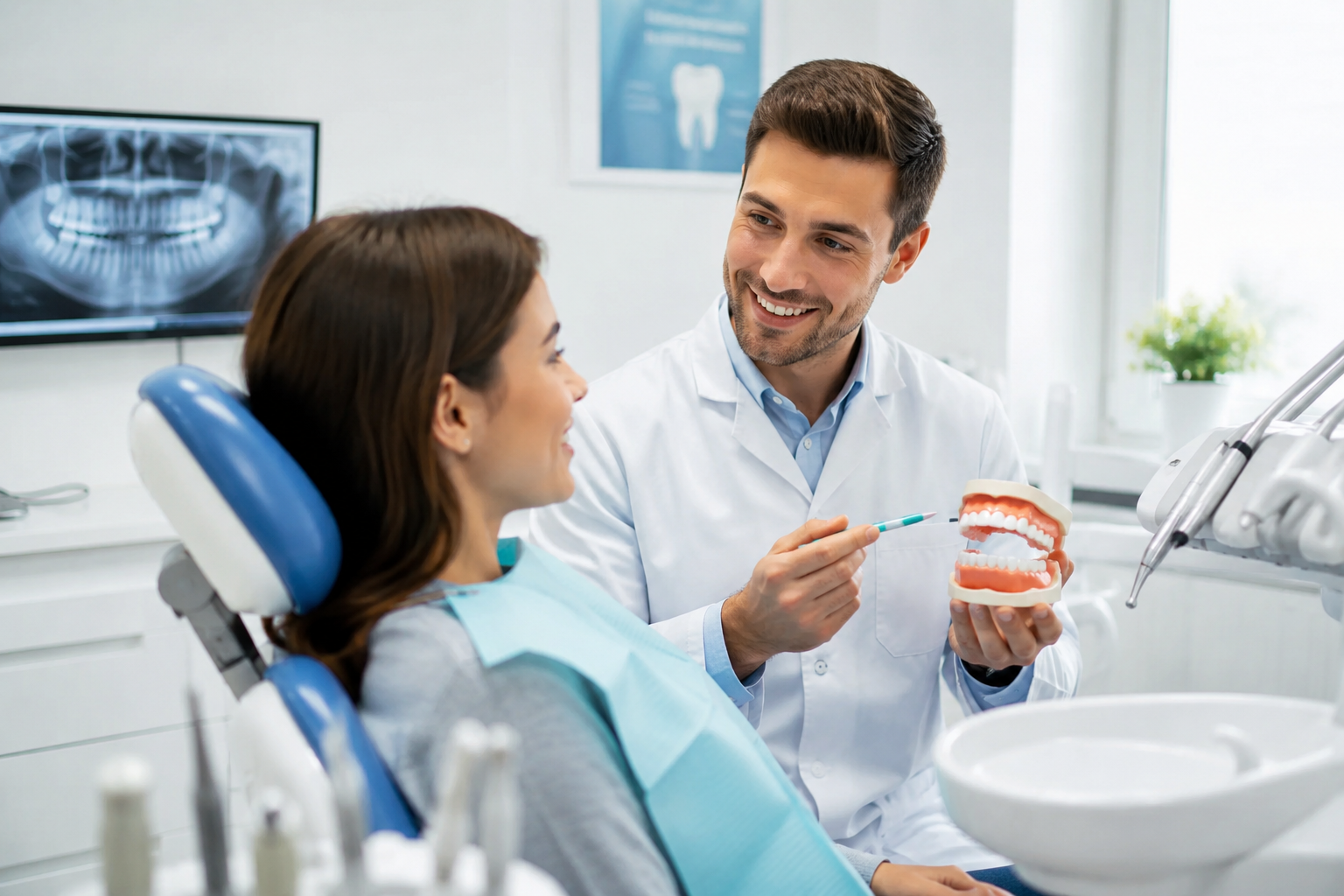
You’ll notice a brighter, more confident smile can change how you show up in work, social life, and photos without dramatic procedures. Cosmetic dentistry in Anthem, AZ improves appearance and boosts everyday confidence through targeted treatments like whitening, veneers, and clear aligners that fit your goals and lifestyle.
The article explains common options, how modern technology makes visits faster and more comfortable, and the lasting oral-health advantages that come with aesthetic care. It also guides you toward affordable, accessible choices and how to pick the right Anthem dental professional so you can take the next step with clarity and confidence.
How Cosmetic Dentistry Improves Everyday Confidence
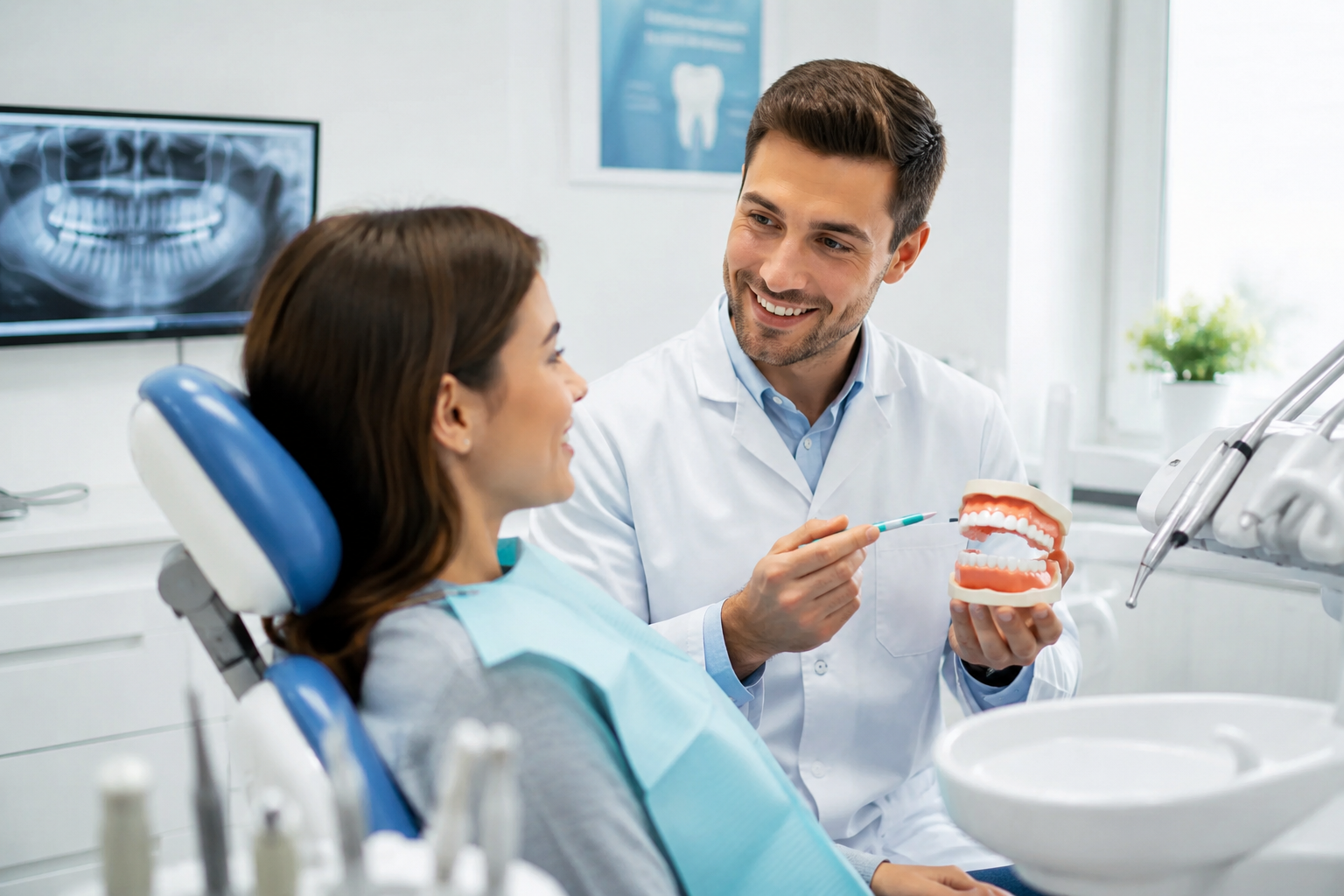
Cosmetic dentistry targets visible concerns—color, alignment, shape, and missing teeth—so people often feel more comfortable speaking, smiling, and eating in public. These improvements commonly translate into clearer first impressions, more relaxed body language, and a willingness to engage in social and professional settings.
Enhancing Your Smile’s Appearance
Cosmetic treatments like porcelain veneers, teeth whitening, and clear aligners address specific aesthetic issues. Veneers conceal chips, gaps, and severe discoloration with thin ceramic shells bonded to front teeth; they typically last 10–15 years with good care. Professional whitening lightens intrinsic and extrinsic stains more predictably than over-the-counter products, often producing noticeable results in one to two in-office sessions. Clear aligners straighten mild to moderate crowding and spacing discreetly, improving symmetry without metal brackets. Dental bonding repairs small chips or irregular shapes in a single visit, using tooth-colored composite that matches surrounding enamel. Each option balances durability, cost, and treatment time, allowing patients to choose based on lifestyle and goals.
Positive Impact on Self-Esteem
Visible dental improvements often change how people view themselves in measurable ways. Patients report greater willingness to be photographed, speak in meetings, or try new social activities after restorative or aesthetic care. Restoring missing teeth with implants or bridges reduces self-consciousness during eating and talking, because function and appearance improve together. When occlusion and alignment are corrected, patients frequently notice less jaw tension and a more comfortable bite, which reinforces positive self-image. Incremental changes—like removing a stubborn stain or evening tooth edges—can produce immediate psychological benefits that build over weeks as confidence habits form.
Emotional Benefits in Social Situations
A confident smile affects nonverbal communication and perceived approachability. People with improved dental aesthetics tend to smile more often, which encourages reciprocal social warmth and can ease introductions or networking. Reducing worry about breath odor or visible decay frees attention for conversation, helping individuals remain present and responsive. In dating, interviews, or public speaking, a reliable smile reduces distraction and anxiety, allowing better vocal projection and eye contact. Dentists can also offer anxiety-reduction options—sedation, phased treatment plans, and clear timelines—so patients feel supported emotionally while achieving cosmetic goals.
Popular Cosmetic Treatments Available in Anthem
Anthem residents find effective, modern options to improve smile color, shape, and alignment. Treatments focus on predictable results, minimal recovery, and long-term oral health.
Teeth Whitening Options
Professional whitening at local practices uses concentrated peroxide gels and custom trays or in-office light-activated systems to lift stains from coffee, tobacco, and aging. In-office sessions typically take 60–90 minutes and can brighten teeth several shades in a single visit, while take-home trays provide controlled results over 1–2 weeks.
A dentist evaluates enamel thickness and existing restorations before recommending peroxide strength and method. This reduces sensitivity risk and avoids uneven color from crowns or fillings. Typical maintenance includes touch-up trays or occasional professional boosters every 6–18 months depending on diet and habits.
Costs vary by technique: in-office sessions are higher upfront; custom tray kits are mid-range; over-the-counter options are least effective. Anthem practices often bundle whitening with hygiene visits or offer financing for cosmetic plans.
Porcelain Veneers for Natural Results
Porcelain veneers cover the front surfaces of teeth to correct chips, gaps, severe discoloration, or minor misalignment with lifelike translucency. The process usually requires two to three visits: consultation and planning, tooth preparation and impression, then bonding of custom-made veneers.
A conservative approach removes minimal enamel—often 0.3–0.7 mm—so restorations sit naturally and preserve tooth strength. High-quality ceramics resist staining and mimic enamel optical properties, producing a predictable color match with adjacent teeth. Dentists evaluate bite, gum health, and existing restorations to plan shade and shape.
Veneers last 10–15 years with good oral hygiene and routine care. Patients with bruxism may need nightguards to protect veneers from fracture. Costs reflect material quality and lab work; many Anthem clinics provide payment plans.
Invisible Braces and Aligners
Clear aligner therapy uses a series of virtually invisible, removable trays to move teeth for crowding, spacing, and mild-to-moderate bite issues. Treatment planning starts with a digital scan and 3D treatment simulation showing progressive tooth movement and estimated timeline.
Aligners offer predictable results for many adults because they combine precise force application with patient convenience. Typical treatment ranges from 6 to 18 months depending on severity. Patients remove aligners to eat and brush, which supports oral hygiene compared with fixed braces.
Compliance is key: wearing aligners 20–22 hours daily ensures planned outcomes. Regular check-ins—often every 6–10 weeks—allow the clinician to monitor progress and make refinements. Anthem dentists often integrate whitening at the end of aligner therapy to finalize a brighter, properly aligned smile.
Lasting Oral Health Advantages
Cosmetic dentistry improves tooth function and protects gums while enhancing appearance. Many treatments also make daily care easier and reduce strain on remaining natural teeth.
Support for Stronger Teeth
Cosmetic restorations like crowns, veneers, and bonded fillings reinforce weakened tooth structure. A porcelain crown covers a fractured or decayed tooth, redistributing bite forces and preventing further breakage. Composite bonding fills chips and gaps with a material that bonds directly to enamel, restoring shape and reducing stress points that can cause cracks.
Dental implants replace a missing tooth root and anchor a crown, stopping adjacent teeth from shifting and preserving bite alignment. Properly fitted veneers can protect worn enamel from further abrasion when grinding or acid erosion has occurred. Patients who get these treatments typically report improved chewing comfort and fewer emergency repairs, which reduces long-term wear on the rest of the mouth.
Reduced Risk of Gum Disease
Cosmetic work often includes contouring and reshaping that improve gum health by eliminating pockets where bacteria collect. Gum recontouring after crown or veneer placement creates cleaner margins, making brushing and flossing more effective.
Replacing missing teeth with implants or bridges prevents food traps and reduces plaque buildup between teeth. Improved alignment from orthodontic or restorative cosmetic procedures lowers uneven pressure during chewing, which can inflame gums over time. Regular follow-up care and professional cleanings after cosmetic treatment help maintain tissue health and catch early signs of gingivitis before they progress.
Modern Technology for Comfortable Experiences
Advanced imaging, digital design, and gentle anesthesia techniques combine to reduce discomfort, shorten appointments, and speed healing. Patients benefit from precise treatment plans, fewer adjustments, and predictable outcomes.
Pain-Free and Minimally Invasive Procedures
Dentists use digital impressions with intraoral scanners instead of messy putty. Scanners capture accurate 3D models in minutes, eliminating gagging and reducing repeat impressions.
Laser dentistry treats soft-tissue issues and performs gum reshaping with less bleeding and swelling than scalpels. For cavities, air abrasion and selective-etch techniques remove less healthy tooth structure, preserving strength and lowering sensitivity.
Local anesthesia delivery systems with computer-controlled flow (e.g., C-CLAD) provide steady, gentle numbing. Sedation options — nitrous oxide or oral anxiolytics — help anxious patients relax without deep sedation. These approaches minimize pain during and after procedures and reduce the need for extensive anesthesia.
Faster Recovery Times
Same-day crowns using chairside CAD/CAM milling cut treatment from weeks to hours. Patients avoid temporary crowns and additional visits, which reduces exposure to post-procedure sensitivity and adjustment discomfort.
3D-printed surgical guides for implants improve placement accuracy, lowering trauma to bone and soft tissues. That precision translates into less swelling, fewer pain medications, and quicker return to normal eating and speaking.
Biocompatible materials such as zirconia and lithium disilicate resist plaque buildup and irritations that can prolong recovery. Combined with minimally invasive surgical techniques and targeted local care, these materials help patients heal faster and resume daily life with confidence.
Making Cosmetic Dentistry Accessible
Many Anthem patients worry about cost and fit when considering cosmetic dentistry. Practical options like flexible financing and customizable treatment plans make cosmetic care realistic for different incomes and needs.
Flexible Financing and Payment Plans
Dental offices in Anthem commonly offer in-house payment plans and partnerships with third-party lenders like CareCredit and Proceed Finance. These plans often provide 6–60 month terms, with promotional 0% interest offers for qualified applicants, making procedures such as veneers, clear aligners, or whitening payable over time.
Patients should ask clinics for a written estimate and an amortization schedule showing monthly payments. Some practices also accept major credit cards, Health Savings Account (HSA) funds, and offer military or senior discounts. Upfront cost estimates typically break down lab fees, materials, and anesthesia so patients see what they’re paying for.
Insurance rarely covers purely cosmetic work, but offices will submit pre-authorizations for restorative components that overlap with cosmetic goals. Clear communication about eligibility, credit checks, and any finance fees helps patients choose the most affordable path.
Treatment Customization for Every Budget
Dental teams evaluate clinical needs and cosmetic goals to create tiered options. For a chipped tooth, for example, a patient might receive direct composite bonding as a lower-cost, immediate fix or porcelain veneer for a longer-lasting aesthetic result. Providers explain lifespan, maintenance, and replacement costs for each choice.
Clinics often combine treatments to spread costs—whitening before bonding reduces the amount of restorative material needed, lowering expense. They can stage treatment over several visits so patients pay incrementally while achieving the final result.
A detailed treatment plan includes timelines, expected outcomes, and alternatives with price ranges. This transparency lets patients weigh short-term affordability against long-term value and make informed decisions aligned with their budget and lifestyle.
Choosing the Right Anthem Dental Professional
Patients should look for credentials first. Verify that the dentist is licensed in Arizona and has certifications or continuing education in cosmetic procedures like veneers, bonding, and teeth whitening.
Experience with specific treatments matters. Ask how many times the practice has performed the procedure, and request before-and-after photos of local patients for realistic expectations.
Comfort and communication improve outcomes. A friendly staff, clear explanations of options, and a willingness to show treatment plans and costs help patients feel confident and informed.
Consider technology and sterilization standards. Digital imaging, intraoral cameras, and up-to-date sterilization reduce surprises and improve planning accuracy.
Compare financing and insurance options. Cosmetic work may not be fully covered, so patients should ask about payment plans, in-house financing, and whether the office helps maximize insurance for related restorative needs.
Practical steps to narrow choices:
- Check online reviews and local community recommendations.
- Schedule a consultation to discuss goals and get a feel for the office.
- Bring a list of questions about risks, recovery time, and maintenance.
Encourage a trial visit. A short consultation lets patients assess empathy, skill, and the practice environment before committing to treatment.
Taking the Next Step Toward a Brighter Smile
Patients often feel unsure about when to pursue cosmetic dentistry, and a short consultation clears a lot of questions. A dentist will review goals, examine oral health, and recommend realistic options like whitening, veneers, or clear aligners.
Many practices offer digital smile previews or mock-ups so patients can see likely results before committing. Those visuals help set expectations and reduce anxiety about changes to appearance.
Consider these practical steps to move forward:
- Schedule an initial consultation to discuss concerns and medical history.
- Request a cost estimate and financing options to plan ahead.
- Ask about treatment timelines so procedures fit into daily life.
Comfort matters during treatment, and modern offices prioritize gentle techniques and sedation choices when needed. Recovery tends to be brief for most cosmetic procedures, and dentists give clear aftercare instructions to support healing.
Preventive care keeps results lasting longer, so routine cleanings and good oral hygiene are essential. Regular checkups also let the team monitor restorations and address minor issues before they grow.
If questions remain about procedures, benefits, or insurance, a phone call or online message can start the conversation. Patients who take that first step often feel relieved and more confident about their smile goals.
Frequently Asked Questions
This section answers practical questions about common cosmetic procedures, how they fix specific issues, costs, insurance coverage, and what to look for when choosing a local cosmetic dentist.
What are the most popular cosmetic dental procedures for improving a smile?
Teeth whitening removes surface and deeper stains using in-office or take-home systems for faster, noticeable results.
Dental veneers — thin porcelain shells bonded to front teeth — correct shape, color, and small alignment issues with long-lasting aesthetics.
Bonding uses tooth-colored resin to repair chips or gaps quickly and affordably.
Clear aligners straighten teeth discreetly over months, improving bite and appearance without traditional braces.
How can cosmetic dentistry help with stained, chipped, or uneven teeth?
Whitening targets discoloration from coffee, tobacco, or aging; professional treatments deliver safer, more uniform results than over-the-counter kits.
Composite bonding fills chips and small gaps, reshaping teeth in a single visit with minimal enamel removal.
Porcelain veneers mask stains that don’t respond to whitening and create uniform size and alignment for uneven teeth.
Minor crowding or spacing often improves with clear aligners, which also reduces uneven wear and makes cosmetic restorations more predictable.
What’s the difference between cosmetic dentistry and general dentistry, and when would you choose each?
General dentistry focuses on oral health essentials: exams, cleanings, fillings, root canals, and gum care to prevent disease.
Cosmetic dentistry emphasizes appearance—color, shape, alignment, and proportion—using whitening, veneers, bonding, and aligners.
Choose general dentistry for pain, infection, cavities, or gum disease management first; pursue cosmetic treatments after the mouth is healthy.
Sometimes both overlap: crowns restore function and appearance, and dentists trained in cosmetic techniques coordinate both needs.
Is cosmetic dentistry typically covered by dental insurance, or is it usually out-of-pocket?
Most cosmetic procedures are considered elective and are not covered by standard dental insurance plans.
Insurance may cover portions of restorative work with cosmetic benefits if a treatment addresses health or function, such as crowns after root canals.
Many practices offer financing, payment plans, or membership plans to spread costs and make elective care more accessible.
How much do common cosmetic treatments like veneers, bonding, or teeth whitening usually cost?
Professional in-office whitening often ranges from a few hundred to about $600, depending on the system used.
Composite bonding typically costs a few hundred per tooth; complexity and time in the chair increase the price.
Porcelain veneers usually run from $800 to $2,500 per tooth, depending on materials, lab fees, and the clinician’s expertise.
Clear aligner therapy varies widely; many plans fall between $2,000 and $6,000 depending on case complexity and provider.
How do I choose the right cosmetic dentist near me, and what should I ask at a consultation?
Look for dentists with specific training or certifications in cosmetic procedures and a portfolio of before-and-after photos.
Ask about the dentist’s experience with the exact treatment desired, the materials and labs they use, and how they handle shade matching and long-term maintenance.
Discuss sedation and comfort options, the expected lifespan of restorations, follow-up care, and any warranty or retreatment policies.
Request a personalized treatment plan with itemized costs, timelines, and alternative options to make an informed choice.