
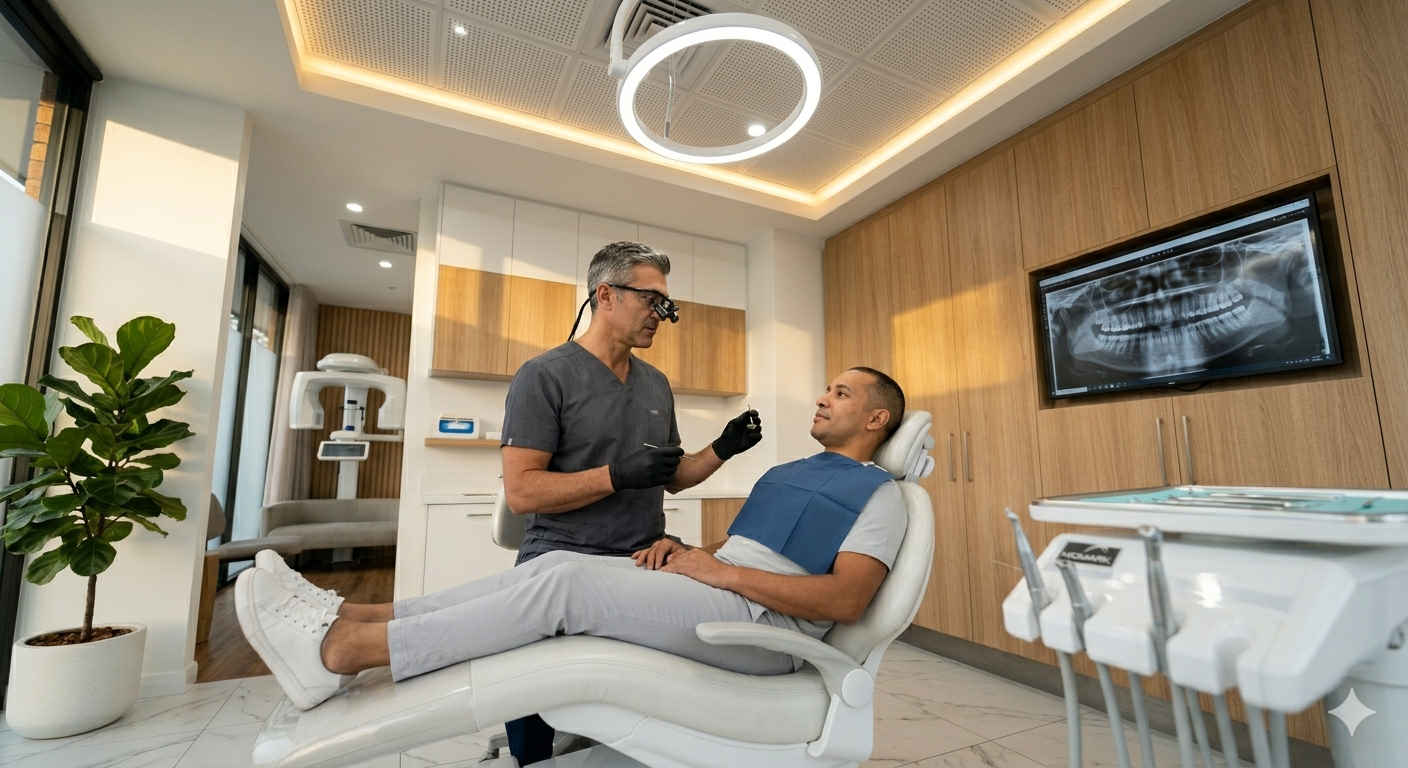
You will find practical, local guidance for keeping your smile healthy in Anthem, AZ and understanding what a dental checkup actually does. A dental checkup in Anthem typically includes an exam, professional cleaning, X‑rays when needed, and personalized prevention advice to catch problems early and save you time and money.
They explain why regular visits prevent small issues from becoming bigger ones and highlight modern technology and comfortable care options available near you. Expect clear steps on what happens during the appointment, how care adjusts for different ages, common concerns and at‑home habits that support dental work, plus tips for choosing a practice and handling insurance.
If you’ve hesitated about scheduling, the post walks through simple next steps to book an appointment and what questions to ask your team to feel confident before you arrive.
Why Regular Dental Checkups Matter
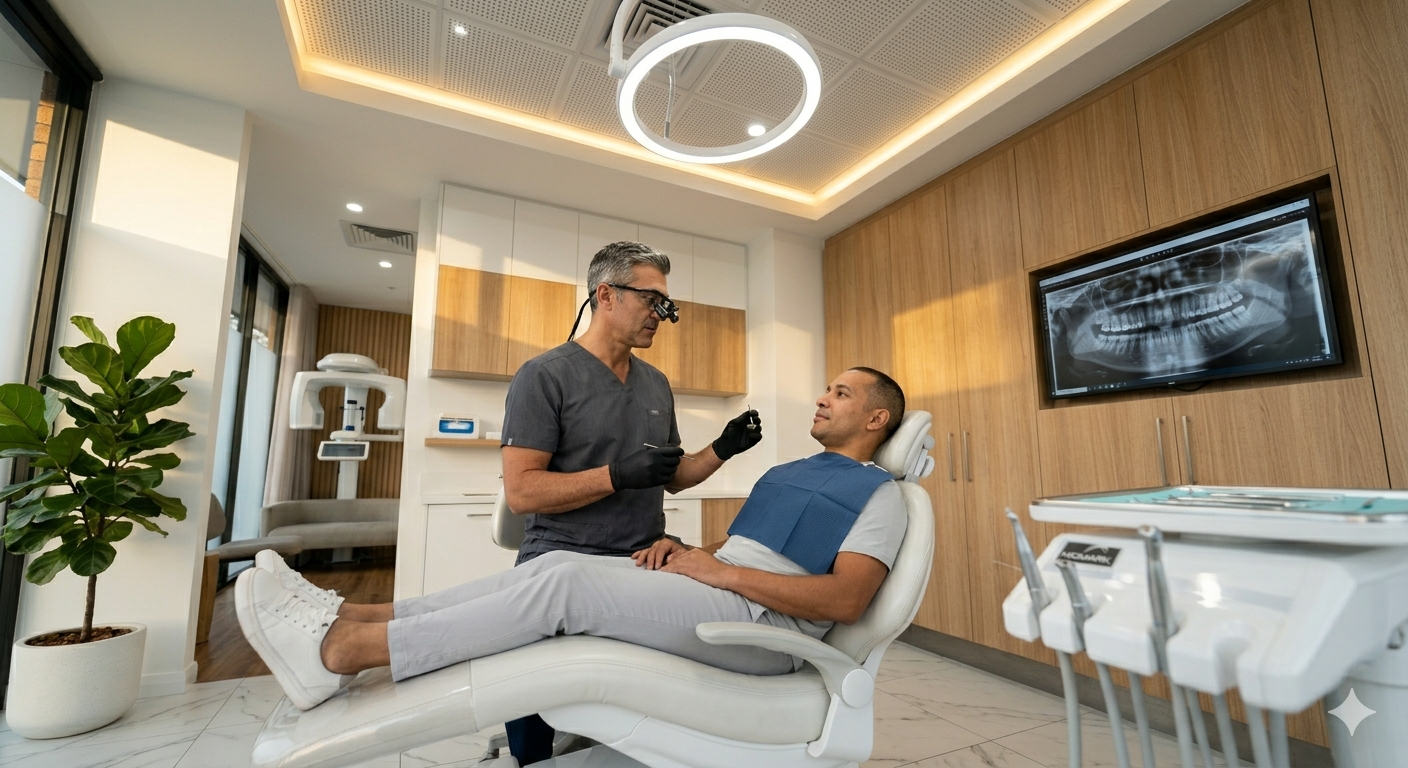
Regular visits keep small issues from becoming bigger, reduce the risk of pain or emergency care, and help maintain attractive, functional teeth and gums. They also provide personalized guidance on oral hygiene, diet, and preventive treatments that suit each patient’s needs.
Prevention and Early Detection
Dentists spot plaque build-up, early cavities, and minor gum inflammation before they require fillings, root canals, or periodontal therapy. Routine X-rays and visual exams reveal decay between teeth, bone loss, and developing infections that patients rarely feel at first.
Cleanings remove hardened tartar and polish surfaces to slow recurrence of decay. Fluoride treatments and sealants can be applied to strengthen enamel and protect vulnerable grooves in molars. The team documents changes so clinicians can compare progress over time.
Timely intervention keeps treatment simpler and less expensive. Treating a small cavity or gingivitis usually takes one office visit, while delayed care often leads to multi-visit procedures and higher costs.
Maintaining Healthy Smiles
Professional cleanings and exams preserve the appearance and function of teeth, helping patients chew comfortably and speak clearly. Hygienists remove stains and biofilm that brushing alone cannot eliminate, restoring a brighter smile without immediately resorting to cosmetic procedures.
Dentists assess wear patterns, bite alignment, and loose restorations that affect long-term tooth stability. They recommend conservative options—such as composite fillings or night guards for bruxism—before damage becomes extensive.
Patient education focuses on realistic, daily steps: effective brushing technique, interdental cleaning, and adjustments to snacking habits. Clear, personalized plans improve compliance and protect dental work like crowns and implants.
Impact on Overall Health
Oral health links directly to systemic conditions such as diabetes control, cardiovascular risk, and pregnancy outcomes. Dentists screen for signs of uncontrolled diabetes (gum bleeding, persistent infections) and coordinate care with physicians when necessary.
Chronic gum inflammation can raise inflammatory markers that influence heart disease and stroke risk. Managing periodontitis through professional therapy and at-home routines reduces bacterial load and systemic inflammation.
Routine exams also include oral cancer screenings and evaluation of medications’ effects on saliva and gum tissue. Early detection of suspicious lesions or dry mouth can prompt timely referrals and prevent serious complications.
What to Expect During Your Visit
The visit begins with a focused intake and ends with clear next steps. Patients will receive a visual exam, targeted X-rays if needed, and a personalized plan for cleaning, prevention, or treatment.
Step-By-Step Checkup Process
On arrival, the front-desk staff confirms medical history, current medications, and any symptoms such as sensitivity or pain. The dental hygienist or assistant records blood pressure for patients with cardiovascular conditions and updates insurance and contact information.
The dentist performs a visual exam of teeth, gums, tongue, and surrounding tissues using a bright overhead lamp and intraoral mirror. Bite and jaw function are evaluated for signs of wear, TMJ issues, or misalignment.
Digital X-rays are taken selectively—bitewings for cavities between teeth, or a panoramic image when broader assessment is necessary. Images are reviewed chairside on a monitor so the dentist can point out findings and discuss treatment options.
The dentist documents findings, assigns a risk level for decay and gum disease, and recommends next steps such as a routine cleaning, fluoride application, or restorative work. A follow-up appointment is scheduled if fillings, crowns, or specialist referrals are needed.
Gentle Cleaning Procedures
The hygienist begins by removing plaque and tartar using ultrasonic scalers that vibrate and water-spray to loosen deposits. For tight areas or heavy buildup, hand instruments finish the work to protect enamel and gum tissue.
Polishing follows with a low-abrasive paste to remove surface stains and smooth tooth surfaces. If the patient is prone to sensitivity, the hygienist uses desensitizing paste or applies fluoride varnish to strengthen enamel and reduce discomfort.
For patients with gum disease, the hygienist performs deeper scaling and root planing under local anesthetic as needed. They explain each step before starting and check comfort frequently, adjusting technique to minimize pain and anxiety.
The hygienist reviews home care with specific tips: proper brushing technique, interdental cleaning (floss or water flosser), and recommended products such as soft-bristled brushes and fluoride toothpaste. They document the cleaning and set a recall interval based on oral health needs.
Comfort Tips for Anxious Patients
Dental staff offer several comfort measures: noise-canceling headphones, a weighted blanket, or nitrous oxide (laughing gas) for moderate anxiety. Patients can request breaks during procedures and use a hand signal to pause treatment instantly.
The care team practices “tell-show-do”: they explain instruments, briefly demonstrate on a gloved finger, and then proceed. This reduces surprises and gives patients a sense of control.
For needle-sensitive patients, topical anesthetic gel minimizes injection discomfort and the dentist uses thin-gauge needles with gentle techniques. For those who prefer sedation dentistry, oral sedatives or IV sedation options are discussed during treatment planning.
Staff encourage open communication: patients should report past traumatic experiences, gag reflex issues, or specific fears. The office customizes pacing and interventions so each visit stays calm, predictable, and as pain-free as possible.
Modern Technology in Anthem AZ Dental Offices
Anthem dentists use advanced equipment to diagnose problems faster and reduce chair time. Patients benefit from precise imaging, comfortable procedures, and safer radiation levels.
State-of-the-Art Diagnostic Tools
Clinics in Anthem commonly use intraoral cameras and 3D cone beam CT (CBCT) scanners to map teeth, roots, and jawbone with high resolution. Intraoral cameras provide real-time close-up images of cavities, worn restorations, and gum issues, letting the dentist show patients exact problem areas during the visit.
CBCT scans create three-dimensional views for implant planning, impacted tooth assessment, and complex endodontic work. Software integrates scans with digital impressions to plan implant positions and evaluate bone volume accurately, reducing surgical surprises.
Many practices also use laser fluorescence devices (such as DIAGNOdent) to detect early decay that visual exams can miss. Electronic periodontal probes measure pocket depths consistently, improving tracking of gum disease over time.
Digital X-Rays and Safe Imaging
Anthem practices have widely adopted digital radiography, which typically cuts radiation exposure by 60–90% versus film X-rays. Digital sensors produce images instantly, so dentists can adjust contrast and zoom to clarify small fractures, recurrent decay beneath fillings, and hidden root canals.
Digital images store in secure electronic records, allowing easy comparison across visits and faster referrals to specialists when needed. Many offices also offer panoramic X-rays for a complete jaw overview during orthodontic planning or to evaluate wisdom teeth.
Clinics follow ALARA (As Low As Reasonably Achievable) principles, using lead aprons, thyroid collars, and exposure settings tailored to patient size. These precautions keep imaging safe for adults, children, and pregnant patients when imaging is clinically justified.
Personalized Care For All Ages
The practice adapts treatment plans and appointment routines to each patient’s age, health history, and comfort needs. It prioritizes prevention, growth tracking, and minimally invasive techniques while using quiet, modern equipment to reduce anxiety.
Pediatric Dental Visits
Pediatric visits begin with a gentle exam that checks milk-tooth development, bite alignment, and tongue or lip ties. The hygienist demonstrates brushing and flossing on a model, then helps parents set a home-care plan with age-specific fluoride use and dietary tips to reduce early decay.
They apply fluoride varnish and place sealants on permanent molars when indicated to cut cavity risk by sealing deep grooves. Behavior guidance uses positive reinforcement, short exams, and careful explanations to build trust; sedation is available only when necessary and after a full medical review.
Growth is monitored across visits to spot crowding, thumb-sucking effects, or airway concerns early. The team coordinates referrals for orthodontics or ENT evaluation when signs of malocclusion or sleep-disordered breathing appear.
Adult and Senior Preventive Care
Adults receive comprehensive exams including periodontal screening, intraoral imaging when needed, and cancer screenings at routine checkups. The hygienist focuses on removing biofilm and calculus, then tailors home-care instructions for gum health and stain reduction based on lifestyle factors like tobacco use or coffee consumption.
For seniors, the team screens for xerostomia, root decay, and denture fit; they adjust care for limited mobility or medication-related dry mouth. Preventive steps include prescription-strength fluoride, antimicrobial rinses, and more frequent maintenance visits when chronic conditions raise oral disease risk.
The practice discusses cosmetic and restorative options—white fillings, crowns, implant maintenance—linked directly to functional needs and long-term oral health. They encourage patients to bring medication lists and medical updates so the care plan stays safe and effective.
Common Oral Health Concerns and Solutions
Most patients worry about cavities and tooth sensitivity because these issues affect daily comfort and long-term oral health. Practical prevention, timely treatment, and simple at-home habits typically resolve or control these conditions.
Cavity Prevention Strategies
Dentists recommend a combination of professional care and daily routines to prevent decay. They advise brushing twice daily with a fluoride toothpaste and using a soft-bristled brush to remove plaque without damaging enamel or gums. Fluoride strengthens enamel; topical fluoride treatments in-office provide extra protection for patients with high decay risk.
Daily interdental cleaning matters. Flossing or using interdental brushes removes food and bacteria from between teeth where a brush can’t reach. For patients prone to cavities, dentists often prescribe antimicrobial mouthrinses or recommend xylitol gum after meals to reduce bacterial activity.
Dietary changes reduce acid attacks. Limiting frequent snacking on sugary or acidic foods and drinking water after meals lowers cavity risk. Regular dental exams and bitewing X-rays identify early lesions; minimally invasive treatments like composite fillings or sealants stop progression while preserving healthy tooth structure.
Managing Sensitive Teeth
Tooth sensitivity often stems from exposed dentin, gum recession, enamel wear, or recent dental work. Clinicians first identify the cause through a focused exam and targeted questions about triggers such as cold, sweets, or brushing.
Desensitizing toothpaste containing potassium nitrate or stannous fluoride offers at-home relief by blocking nerve response or strengthening enamel. Dentists may apply concentrated fluoride varnish or bonding agents to exposed areas for faster relief. For structural causes like enamel erosion or gum recession, a conservative restoration — composite bonding, a resin sealant, or a gum graft — can restore coverage and reduce sensitivity.
Behavioral changes also help. They advise using a soft brush, avoiding aggressive brushing, reducing acidic beverages, and wearing a nightguard for patients with bruxism. If sensitivity persists after conservative care, clinicians evaluate deeper causes such as cracked teeth or pulpal inflammation and recommend appropriate restorative or endodontic treatment.
At-Home Habits to Support Your Dentist’s Work
Simple, consistent habits at home reduce plaque, prevent cavities, and keep restorations intact between visits. Small daily choices—how someone brushes, flosses, and uses products—directly affect clinical outcomes and appointment frequency.
Effective Daily Routines
They should brush twice daily for two minutes with a soft-bristled brush, using gentle circular motions along the gumline to remove plaque without damaging enamel or gums. Brushing after breakfast and before bed targets daily acid exposure and overnight bacterial growth.
Flossing once daily reaches the areas a brush cannot. Patients can try floss picks or interdental brushes if traditional floss is difficult; the goal is to remove food and plaque from between teeth and under the gum margin without snapping the floss into the gums.
Limit sugary and acidic snacks to reduce demineralization. Drinking water after meals helps rinse acids and sugars; chewing sugar-free gum with xylitol for 10–20 minutes stimulates saliva and supports remineralization. If someone grinds teeth, a dentist-prescribed nightguard protects restorations and prevents wear.
Choosing the Right Dental Products
Select a fluoride toothpaste with the American Dental Association (ADA) Seal or equivalent for proven cavity protection. For adults with sensitivity, a desensitizing toothpaste containing potassium nitrate or stannous fluoride reduces nerve discomfort; use nightly for several weeks to see improvement.
Electric toothbrushes with a pressure sensor improve plaque removal and prevent over-brushing. Replace brush heads every three months or sooner if bristles splay. Mouthrinses with 0.05% sodium fluoride provide additional protection when used once daily; antiseptic rinses (chlorhexidine) are reserved for short-term use after periodontal treatment as directed by the dentist.
For specialty needs—dry mouth, heavy staining, or frequent cavities—patients should consult their dentist for tailored products and regimen adjustments. Regular product choices aligned with clinical advice maximize the benefit of in-office care.
How to Choose the Right Dental Practice in Anthem AZ
Choosing a dental practice in Anthem means weighing clinical skill, patient comfort, office accessibility, and clear communication. Prioritize practices with up-to-date equipment, transparent pricing, and staff who explain treatment options in plain language.
Qualities of a Caring Dental Team
A caring team begins with clinicians who explain diagnoses and options clearly. Look for dentists who review X-rays with patients, show before-and-after photos, and outline risks, benefits, and timelines for procedures like crowns, implants, or root canals.
Staff attitude matters as much as clinical skill. Receptionists and hygienists should respond promptly to appointment requests, confirm insurance details, and follow up after treatment. Check online reviews for mentions of punctuality, gentle cleanings, and respectful treatment of anxious patients.
Verify the practice’s commitment to safety and comfort. Ask whether they use digital X-rays, HEPA air filtration, and nitrous oxide or oral sedation for nervous patients. Confirm sterilization protocols and whether they offer private treatment rooms or noise-reducing headphones for a calmer visit.
Importance of Patient Communication
Effective communication starts at the first phone call and continues through treatment planning. A practice should provide clear estimates, insurance breakdowns, and payment options before performing elective procedures. Patients should receive written treatment plans and consent forms that use plain language.
Good communicators tailor explanations to the patient’s needs. Dentists should use models or intraoral photos to show areas of concern and explain how daily habits affect oral health. They should also provide step-by-step aftercare instructions for procedures and follow up to monitor healing.
Communication extends to accessibility and responsiveness. Practices should offer multiple contact methods—phone, secure patient portal, and text reminders—and reply to messages within one business day. Patients should feel comfortable asking questions and confident that staff will address pain control, scheduling, or insurance concerns promptly.
Insurance and Payment Options
Anthem patients can expect clear guidance on what their plan covers, out-of-pocket estimates, and ways to manage costs if insurance doesn’t cover a service.
Understanding Coverage
Dental offices in Anthem, AZ verify benefits before appointments and provide a written estimate of what the insurer will pay and what the patient owes. Typical coverage details include preventive visits (cleanings, exams, X-rays) often covered at 80–100%, basic procedures (fillings, extractions) covered at lower percentages, and major services (crowns, root canals) subject to waiting periods or higher patient shares.
Patients should bring their insurance card and subscriber information to every visit and confirm: plan deductibles, annual maximums, network restrictions, and whether preauthorization is required for certain procedures. If coverage is unclear, the practice will call the insurer and document the result so the patient sees the exact benefit explanation before treatment.
Flexible Payment Plans
Many Anthem-area practices offer in-office payment plans and partner with third-party lenders like CareCredit or LendingClub Patient Solutions to split costs into monthly payments. These plans vary by provider: some offer interest-free terms for 6–12 months, while longer terms may carry interest; patients should review APR and monthly payment amounts.
Dental offices also accept major credit cards, cash, and checks, and they often apply insurance estimates at the time of service so patients pay only the expected balance. For extensive treatment plans, clinics usually provide a written treatment schedule with payment milestones and contact information for billing questions, making financial planning straightforward and transparent.
Next Steps: Setting Up Your Appointment
They can start by calling a local Anthem, AZ dental office or booking online through the practice website. Many clinics offer secure forms and real-time availability to choose a convenient date and time.
Prepare a short list before calling: insurance details, current medications, and any recent dental concerns. If they have dental records or x-rays from another dentist, sending them ahead speeds up the first visit.
Ask about new-patient paperwork and whether it can be completed online to reduce wait time. Confirm if the office accepts their insurance and what estimated copays or fees to expect.
Consider these questions when scheduling:
- Do they offer evening or weekend appointments?
- Is same-day urgent care available for tooth pain?
- Are there language or accessibility services on site?
They should arrive a few minutes early for identity verification and to complete any remaining forms. If anxiety is a concern, mention it when booking; many offices provide comfort options like noise-canceling headphones or sedation choices.
For follow-up, request appointment reminders via text or email and verify cancellation policies. Encourage them to call with any questions — the dental team wants patients to feel informed and comfortable about their care.
Frequently Asked Questions
This section answers practical questions about scheduling, what happens during visits, Anthem coverage details, finding in-network dentists, plan types, and common treatment next steps. It helps readers prepare for appointments and understand costs and options.
How often should I schedule routine dental exams and cleanings?
Most dental offices recommend exams and cleanings every six months for adults with stable oral health.
Patients with active gum disease, heavy plaque buildup, or certain medical conditions may need visits every three to four months.
Children often follow a six-month schedule starting when their first tooth appears or by age one. The dentist will tailor interval recommendations based on risk factors and treatment history.
What typically happens during a dental checkup, and does it hurt?
A routine checkup usually includes a medical and dental history review, visual exam, professional cleaning (prophy), and bite and soft-tissue checks.
X-rays may be taken if needed. Most patients feel little to no pain; cleanings can cause mild sensitivity if teeth or gums are inflamed.
If anxiety or sensitivity is a concern, dentists offer numbing gel, local anesthesia, or calming strategies to improve comfort. They explain each step and pause if the patient requests.
Will my Anthem dental plan cover an exam, cleaning, and X-rays, and what might I pay out of pocket?
Coverage varies by specific Anthem plan; many PPOs and preventive-focused plans cover two exams and two cleanings per year at 100% when using in-network providers.
X-ray coverage depends on frequency rules—bitewings are often covered annually or biennially. Patients may pay coinsurance, deductibles, or fees for diagnostic and restorative services.
Verify benefits by checking the Anthem member portal or calling customer service with the plan ID. The dental office can submit an estimate (predetermination) to clarify patient cost before treatment.
How can I find an in-network dentist nearby and confirm they accept my Anthem dental plan?
Use the Anthem provider search tool on Anthem’s website or mobile app and filter by “Dental” and the specific plan name.
Call prospective offices directly to confirm they accept the exact Anthem plan listed on your ID card and to ask about any recent network changes.
Bring your Anthem ID card to the first appointment and request a benefits check and cost estimate. Offices typically verify eligibility and benefits electronically at check-in.
What’s the difference between a PPO plan and other dental plan types when choosing a dentist?
A PPO (Preferred Provider Organization) offers a broad network and lets patients see in-network dentists for lower costs while allowing out-of-network care at higher patient expense.
HMOs and DHMOs usually require choosing an in-network dentist and may need referrals for specialists; they often have lower premiums but less flexibility.
High-deductible plans paired with HSAs shift more upfront cost to the patient until the deductible is met. Review network rules, referral requirements, and cost-sharing when selecting a dentist.
If the dentist finds a cavity or gum issues, what treatment options are usually recommended and how soon should I treat it?
For cavities, dentists commonly recommend fillings (composite or amalgam) for small to medium lesions, and crowns for larger restorations. Treatment timing depends on size and symptoms; most cavities should be addressed promptly to avoid progression.
For gum disease, options range from improved home care and more frequent cleanings to scaling and root planing; advanced cases may require periodontal surgery. Early treatment reduces the risk of tooth loss and systemic complications.
Dentists provide a personalized treatment plan with timelines, alternatives, and cost estimates so patients can make informed decisions and schedule care promptly.