
You’ll find practical, local information about general dentistry in Anthem, AZ that helps you decide where to go and what to expect. If you want clear guidance on preventive care, restorative options, modern office technology, and how to choose a local dentist who fits your schedule and budget, this article lays out the essentials.
They explain what happens during a typical first visit, how routine cleanings and exams prevent problems, and which restorative treatments restore health and function. Expect straightforward notes on advanced tools used in nearby practices, children’s services, gum care, insurance navigation, scheduling flexibility, and how to stay connected with your dental team.
They make complex topics easy to understand with a warm, reassuring tone that emphasizes comfort and prevention. You’ll leave ready to ask informed questions and take the next step toward regular care.
What to Expect During Your First Visit
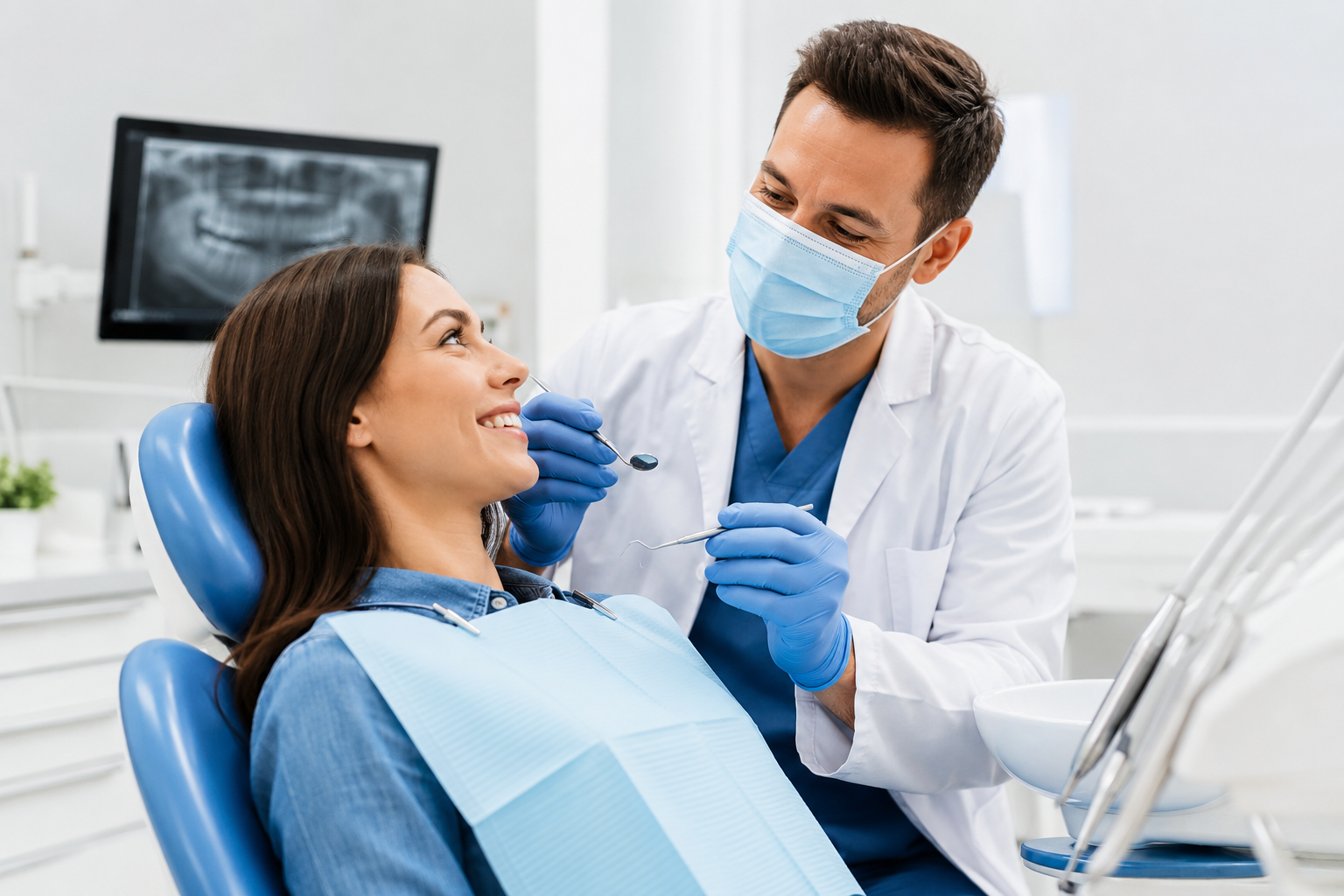
Patients will find a friendly front desk, a calm treatment area, and a clear plan after the exam and any X-rays. Staff will collect medical history, address comfort needs, and explain recommended preventive or restorative steps in plain language.
Welcoming Environment for All Ages
The reception team greets each patient by name and confirms insurance and contact details to speed check-in. Waiting areas offer water, kid-friendly reading material, and a selection of adult magazines; families often appreciate a few toys or coloring sheets for children.
The operatory is bright and organized, with barrier-covered chairs and single-use or sterilized instruments visible for reassurance. Paperwork can be completed online before arrival, or reception will provide tablets and sanitized pens to finish forms in under five minutes.
Staff explain office policies clearly: arrival times, cancellation rules, and available payment plans. Multilingual team members or translation apps are offered when needed to ensure clear communication.
Patient Comfort and Anxiety-Free Care
The dental team asks about pain, dental fears, and previous bad experiences at the start of the visit. They offer nitrous oxide, topical anesthetic, or short breaks during procedures to help patients stay relaxed.
Comfort items include neck pillows, noise-cancelling headphones with music, and soft lighting in treatment rooms. For children, staff use age-appropriate language, show instruments before use, and allow a parent to stay close during exams.
Before any treatment, the dentist discusses options, estimated costs, and expected recovery in plain terms. Patients receive written estimates and can schedule follow-up care or request a short demonstration of tools and techniques.
Comprehensive Oral Examination
The dentist performs a systematic exam: soft-tissue inspection, periodontal probing to check gum depth, and full-mouth digital X-rays or a focused set when indicated. They document findings in the electronic record and flag areas needing immediate attention.
A hygienist typically completes a professional cleaning that removes plaque and tartar, polishes teeth, and applies fluoride when appropriate. They measure gum pockets and record any bleeding or recession for comparison at future visits.
The dentist reviews results with annotated images or diagrams, explains any diagnoses (decay, gum disease, erosion), and lays out prioritized treatment options. Patients leave with a written care plan, estimated timelines, and specific home-care tips tailored to their oral health status.
Preventive Dental Care Essentials
Regular checkups, targeted cleanings, personalized home routines, and protective treatments prevent decay and gum disease. These steps preserve teeth, reduce emergency visits, and support long-term oral health for patients of all ages.
Professional Cleanings and Exams
Dental professionals perform thorough cleanings that remove plaque and tartar above and below the gumline using ultrasonic scalers and hand instruments. They assess gum pockets, check for early signs of decay, evaluate restorations, and screen for oral cancer with visual and tactile exams.
Digital X-rays and intraoral photos often supplement the exam to reveal hidden decay, bone loss, or impacted teeth. The hygienist or dentist documents findings, gives a periodontal chart if needed, and creates a recall schedule—typically every six months, adjusted for risk factors like diabetes or smoking.
Patients benefit from stain removal and polishing that improve aesthetics and reduce surface roughness where bacteria cling. Professional cleanings also lower systemic inflammation markers linked to heart disease and diabetes, which dentists monitor through medical history reviews.
Personalized Oral Hygiene Guidance
Dental teams tailor home-care plans based on the patient’s mouth shape, restoration type, and risk profile. They recommend specific toothbrushes (manual vs. soft-bristled electric heads), interdental cleaners (floss, picks, or water flossers), and dentifrices containing fluoride or desensitizing agents.
Instruction includes hands-on brushing technique, optimal timing (twice daily for two minutes), and targeted cleaning for bridges, implants, or orthodontic appliances. They set achievable goals, such as replacing a brush every three months and using interdental brushes nightly.
Behavioral counseling addresses diet, tobacco use, and medication-related dry mouth that increase decay risk. Follow-up visits track progress and adjust recommendations, reinforcing habits that reduce cavities and gum disease over time.
Fluoride Treatments and Sealants
Topical fluoride varnishes and gels strengthen enamel by promoting remineralization and making teeth more resistant to acid attacks. Dentists apply fluoride in-office during recall visits, especially for patients with active decay, root exposure, or reduced salivary flow.
Dental sealants are thin resin coatings placed on chewing surfaces of molars and premolars to block grooves where food and bacteria lodge. The procedure is quick: clean the tooth, etch the enamel, apply the resin, and cure it with a light—no drilling required for healthy teeth.
Both treatments are evidence-based, cost-effective preventive options for children and adults at elevated risk. Dental teams assess candidacy during exams and document applications in the record, recommending reapplication intervals based on wear and caries risk.
Restorative Treatments for Healthy Smiles
Restorative dentistry repairs damage, restores function, and preserves natural tooth structure. The two most common options—tooth-colored fillings and crowns/bridges—focus on strength, appearance, and long-term oral health.
Tooth-Colored Fillings
Tooth-colored (composite) fillings repair cavities and small fractures while matching the natural shade of teeth. The dentist removes decay, cleans the cavity, and bonds composite resin in layers; each layer is cured with a light to build strength and reduce shrinkage. This bonding process preserves more healthy tooth structure than traditional amalgam and creates a seal that lowers sensitivity and future decay risk.
Composites work well for front and back teeth, endure normal chewing forces, and can be repaired or adjusted easily. Typical life expectancy ranges from 5 to 10 years, depending on bite forces and oral hygiene. Patients should avoid heavy chewing on treated teeth initially and maintain regular checkups to monitor wear and contact points.
Crowns and Bridges
Crowns fully cover damaged or weakened teeth to restore shape, strength, and appearance. Dentists recommend crowns after large restorations, root canals, or fractures. The tooth is shaped, an impression or digital scan is taken, and a custom crown—porcelain, zirconia, or porcelain-fused-to-metal—is fabricated to match color and bite. Temporary crowns protect the tooth while the permanent restoration is made.
Bridges replace one or more missing teeth by anchoring a false tooth (pontic) to crowns on adjacent teeth or implants. Fixed bridges restore chewing function and prevent shifting of neighboring teeth. Care includes daily flossing under the pontic (with threaders or interdental brushes) and routine exams to check fit and gum health. Proper materials and precise fit reduce risk of decay, fracture, or gum irritation.
Modern Technologies in Local Practices
Local practices focus on faster, safer diagnostics and gentler patient experiences while keeping treatment decisions precise and evidence-based.
Digital X-Rays and Intraoral Cameras
Digital X-rays cut radiation exposure by up to 80% compared with traditional film and produce near-instant images on a monitor. Dentists in Anthem use these images to detect cavities between teeth, early bone loss, and root problems sooner, which often means smaller, less invasive treatments.
Intraoral cameras provide high-resolution photos of individual teeth and soft tissues. These cameras help dentists document changes over time and show patients exactly what the clinician sees, improving informed consent. Images can be annotated and stored in the electronic chart for comparison at follow-ups or for specialist referrals.
Together, these tools speed diagnosis, reduce guesswork, and make treatment planning transparent. Insurance submissions and pre-authorizations also move faster because providers can attach clear digital images and X-rays.
Comfort-Focused Tools
Many Anthem practices now use cordless, lightweight handpieces that reduce chairtime and hand fatigue for clinicians, which translates to steadier, faster treatments for patients. Low-vibration drills and quieter motors also lower anxiety for those sensitive to noise.
For soft-tissue procedures, diode lasers offer precise cuts with reduced bleeding and often faster healing compared with scalpel work. Local anesthetic delivery systems with controlled flow and warmed solutions make injections less uncomfortable. Sedation options range from nitrous oxide to oral sedatives and are tailored to medical history and anxiety levels.
Practices often combine these technologies—digital imaging to limit treatment scope, plus comfort tools to reduce pain and recovery time—so patients experience safer, more pleasant visits. Patients are encouraged to ask about specific devices and sedation options when scheduling an appointment.
Children’s Dental Services
This section explains the practical steps taken to keep children’s teeth healthy and comfortable, and how the practice teaches families to prevent cavities and manage dental visits with confidence.
Gentle Care for Kids
The office uses kid-sized tools, flavored fluoride varnish, and quick digital X-rays to minimize discomfort and exposure. Staff greet children by name, explain each step in plain language, and let them hold a mirror or choose a sticker to build trust.
For anxious children, the team offers tell-show-do demonstrations and calming techniques like deep breathing or distraction with cartoons. Nitrous oxide (laughing gas) and brief appointments for stepwise acclimation are available when needed.
Every visit includes a focused oral exam, age-appropriate cleaning, and assessment of growth patterns. Parents receive a brief, written summary of findings and any recommendations for follow-up care.
Building Healthy Habits Early
The practice creates a simple preventive plan tailored to the child’s age, diet, and risk for cavities. Recommendations commonly include twice-daily brushing with a smear or pea-sized fluoride toothpaste, flossing once teeth touch, and limiting juice to meal times.
They also provide practical guidance on teething care, thumb-sucking counseling, and timing of first orthodontic evaluations (often around age 7). Vaccination and medical history checks help detect conditions that affect oral health, such as dry mouth from medications.
Preventive procedures like fluoride varnish, dental sealants on molars, and individualized recall intervals form the backbone of long-term care. Parents receive written care steps and a clear next-visit plan to keep routines consistent at home.
Periodontal Health and Gum Care
Good gum health prevents tooth loss, reduces infection risk, and keeps breath fresh. Regular checks and timely treatment control inflammation and protect bone that supports teeth.
Diagnosing Gum Disease
The dentist assesses gums by measuring pocket depths with a periodontal probe at six points per tooth. Pockets deeper than 3 mm suggest inflammation or attachment loss and may trigger X-rays to check bone levels.
Visual signs include redness, swelling, bleeding on probing, and gum recession. The clinician reviews medical history and medications since diabetes, smoking, and certain drugs increase risk.
Advanced diagnostics might include full-mouth digital X-rays or cone-beam CT for complex cases. Microbial testing or inflammatory marker tests help tailor antibiotic or host-modulation therapy when needed.
Routine Maintenance and Treatments
Routine care starts with professional cleanings: supragingival polishing and subgingival scaling to remove plaque and calculus. For mild disease, scaling and root planing under local anesthesia reduces pocket depth and promotes reattachment.
If pockets persist, periodontal surgery — flap surgery, guided tissue regeneration, or soft-tissue grafts — may be recommended to restore support and reduce sensitivity. Laser therapy can complement traditional approaches in selected cases.
Home care matters: twice-daily brushing with fluoride toothpaste, daily interdental cleaning (floss, interdental brushes), and an antimicrobial rinse when advised. The practice schedules maintenance cleanings every 3–6 months based on disease activity to monitor healing and prevent recurrence.
Flexible Scheduling and Patient Support
The practice understands busy lives and offers appointment times that fit mornings, evenings, and some weekends. This helps patients balance work, school, and family without skipping care.
They provide multiple ways to book: phone, online scheduling, and email. Same-day or next-day slots are often available for urgent needs like tooth pain or a lost filling.
Clear reminders reduce missed visits. Patients receive text and email confirmations plus automated reminders to make attendance easier.
Insurance and payment support staff guide patients through benefits and out-of-pocket costs. The office accepts major insurers, offers in-house financing, and explains costs before treatment so there are no surprises.
For anxious patients, the team discusses comfort options in advance. Sedation choices, step-by-step explanations, and a calming environment help people feel safe and informed.
The front desk coordinates follow-ups and referrals when specialists are needed. They also assist with medical forms, transfer of records, and planning preventive care schedules.
- Hours: early mornings, evenings, selected weekends
- Booking methods: phone, online, email
- Patient supports: reminders, insurance help, payment plans, comfort options
Patients are encouraged to call or book online to discuss scheduling needs or ask about comfort and payment options.
Insurance and Payment Guidance
Patients in Anthem, AZ often worry about costs. The practice typically accepts major dental insurance plans and files claims electronically to streamline reimbursement.
They encourage verifying benefits before appointments. A quick phone call to the insurance company or a benefits check from the office clarifies coverage for exams, X-rays, cleanings, and major procedures.
Most offices offer flexible payment options to reduce financial stress. Common choices include:
- In-network and out-of-network billing
- Credit card and debit payments
- CareCredit and third-party financing
Each option has different terms, so patients should ask about interest, monthly payments, and eligibility.
For uninsured patients, promotional plans or in-office savings programs can lower routine-care costs. These plans usually cover cleanings and basic exams at a reduced annual fee.
Estimated treatment costs are provided before non-emergency procedures. A clear written estimate helps patients decide and compare options.
They advise bringing insurance information and any questions to the first visit. Staff can run benefits checks and explain expected patient responsibility, co-pays, and deductibles.
Patients concerned about affordability should request a payment plan or speak with financial coordinators. The team aims to make dental care accessible and will guide patients through next steps to schedule care or ask questions.
How to Choose the Right Provider in Anthem
They should start by checking credentials and experience. Look for a dentist licensed in Arizona with general dentistry training, and note years in practice and any advanced certifications.
Patients often value comfort and communication. Read patient reviews and ask how the team handles anxiety, pain management, and explanations of treatment options.
Consider location, office hours, and insurance policies. Confirm the practice accepts the patient’s insurance or offers clear self-pay pricing and flexible scheduling.
Evaluate technology and services offered. Modern digital X-rays, intraoral cameras, and same-day restorations can reduce visits and improve diagnostics.
A brief checklist helps compare choices:
- Credentials: License, certifications, years practicing
- Patient comfort: Sedation options, chairside manner, reviews
- Convenience: Hours, location, emergency availability
- Finances: Insurance accepted, payment plans
- Technology: Digital imaging, restorations, preventive tools
They should schedule a short consultation or new-patient visit to meet the team. A quick visit reveals how the office communicates, cleanliness, and whether the dentist listens and explains options clearly.
If questions remain, encourage contacting the office directly to ask about specific treatments, follow-up care, and payment options. This step makes choosing a provider in Anthem more confident and practical.
Staying Connected: Continuing Your Dental Journey
They should expect regular check-ins to keep oral health on track and to catch small issues before they become larger problems. Short, consistent visits support long-term prevention and simplify care plans.
Patients may receive reminders by text, email, or phone; these prompts reduce missed appointments and help maintain routine cleanings. If a scheduling conflict arises, the office usually offers flexible options to reschedule.
At-home care ties directly to office visits. Simple habits—brushing twice daily, flossing, and using fluoride toothpaste—make professional treatments last longer and reduce the need for complex procedures.
Many practices offer patient portals that store treatment records, X-rays, and care instructions. Portals also let patients message the team, request appointments, and view billing details — all in one secure place.
They should feel comfortable asking questions about treatment options, costs, and comfort measures. If anxiety is a concern, practices often provide sedation choices, noise-cancelling headphones, or step-by-step explanations to ease stress.
Common follow-up timeline (typical examples):
| Visit type | When | Purpose |
|---|---|---|
| Routine cleaning | Every 3–6 months | Plaque control, exam |
| Recall exam | Every 6–12 months | Monitor restorations, X-rays |
| Periodontal check | 3 months | Evaluate gum therapy progress |
Encourage them to call or message the office with any new symptoms such as persistent pain, swelling, or a loose restoration. They should schedule sooner rather than later for changes that affect eating or speech.
Frequently Asked Questions
These answers cover scheduling, first-visit expectations, choosing a family dentist, comfortable cavity treatments, home care for gums and breath, and how to tell which restorative option a hurting tooth needs. Each response gives clear steps patients can use right away and topics to raise with their Anthem, AZ dental office.
How often should I schedule a dental checkup and cleaning to keep my smile healthy?
Most patients should have a professional cleaning and exam every six months.
Those with gum disease, heavy plaque, or certain medical conditions may need visits every three to four months.
Anthem practices often tailor frequency based on risk factors like smoking, diabetes, or tartar buildup.
The dentist or hygienist will recommend an interval after evaluating gum pockets, plaque, and decay risk.
What should I expect during my first visit to a new dental office, and how can I prepare?
Expect registration, medical and dental history review, X‑rays, a periodontal exam, and a cleaning if time allows.
Bring ID, insurance info, a list of medications, and previous dental X‑rays if available.
The team will review treatment needs, estimate costs, and schedule follow-ups.
Arrive 10–15 minutes early to complete forms and mention dental anxiety so staff can plan comfort measures.
How do I choose the right family dentist for kids, teens, and adults in my household?
Look for a dentist who offers comprehensive care: preventive visits, pediatric-friendly exams, orthodontic referrals, and restorative work.
Check credentials, office reviews, hospital affiliations, and whether they treat multiple ages in one office.
Confirm they use modern equipment like digital X‑rays and offer sedation or comfort options for anxious patients.
Ask about appointment availability, insurance participation, and whether separate pediatric appointment times are offered.
What are the most comfortable options for treating a cavity if I’m nervous about dental work?
Topical and local anesthetics numb the tooth and gum to eliminate pain during drilling.
Nitrous oxide (laughing gas) and oral sedatives calm anxiety while keeping the patient conscious.
For deeper sedation, IV sedation may be available through qualified providers.
Discuss all options and expected sensations with the dentist before the procedure to set clear expectations.
What can I do at home to prevent gum disease and bad breath between visits?
Brush twice daily with fluoride toothpaste using gentle, circular motions for two minutes.
Floss once daily to remove plaque between teeth where brushes can’t reach.
Use an antimicrobial mouthrinse if recommended and replace the toothbrush every three months.
Control sugar intake and stay hydrated; regular cleanings remove tartar that causes bad breath and gum inflammation.
How can I tell if I need a crown, a filling, or a root canal when a tooth is hurting?
A small surface cavity usually needs a filling to restore the tooth and stop decay.
A large break or heavy filling that weakens the tooth often benefits from a crown to protect structure.
Persistent, severe pain, prolonged sensitivity to hot or cold, or swelling can signal nerve damage needing a root canal.
A dentist will use clinical tests and X‑rays to diagnose and recommend the least invasive effective option.